
Category: All
-
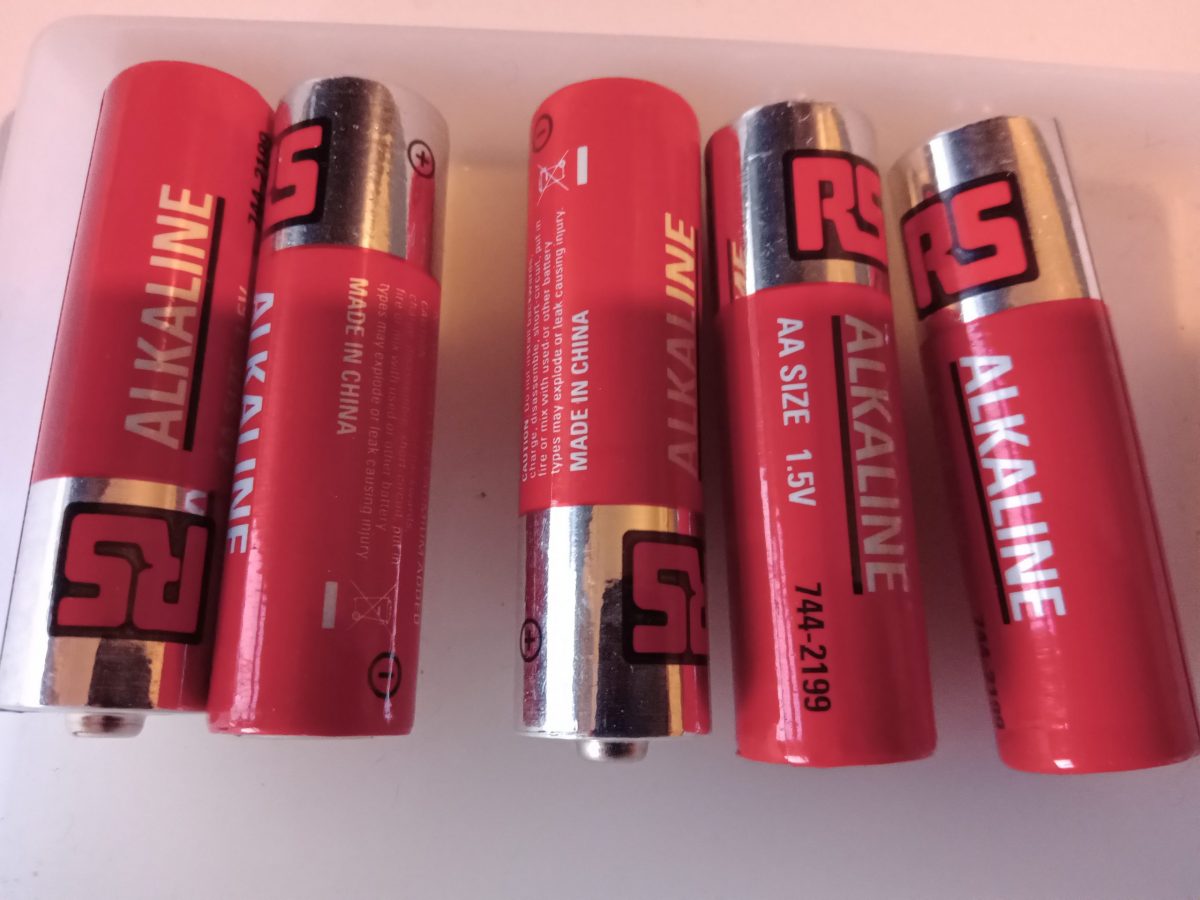
Can we use alkaline batteries?
Our thermal monitors will work on non-rechargeable alkaline batteries, but we don’t know how long they will give readings, and when the voltage drops too far, the relative humidity readings will be inaccurate.
-
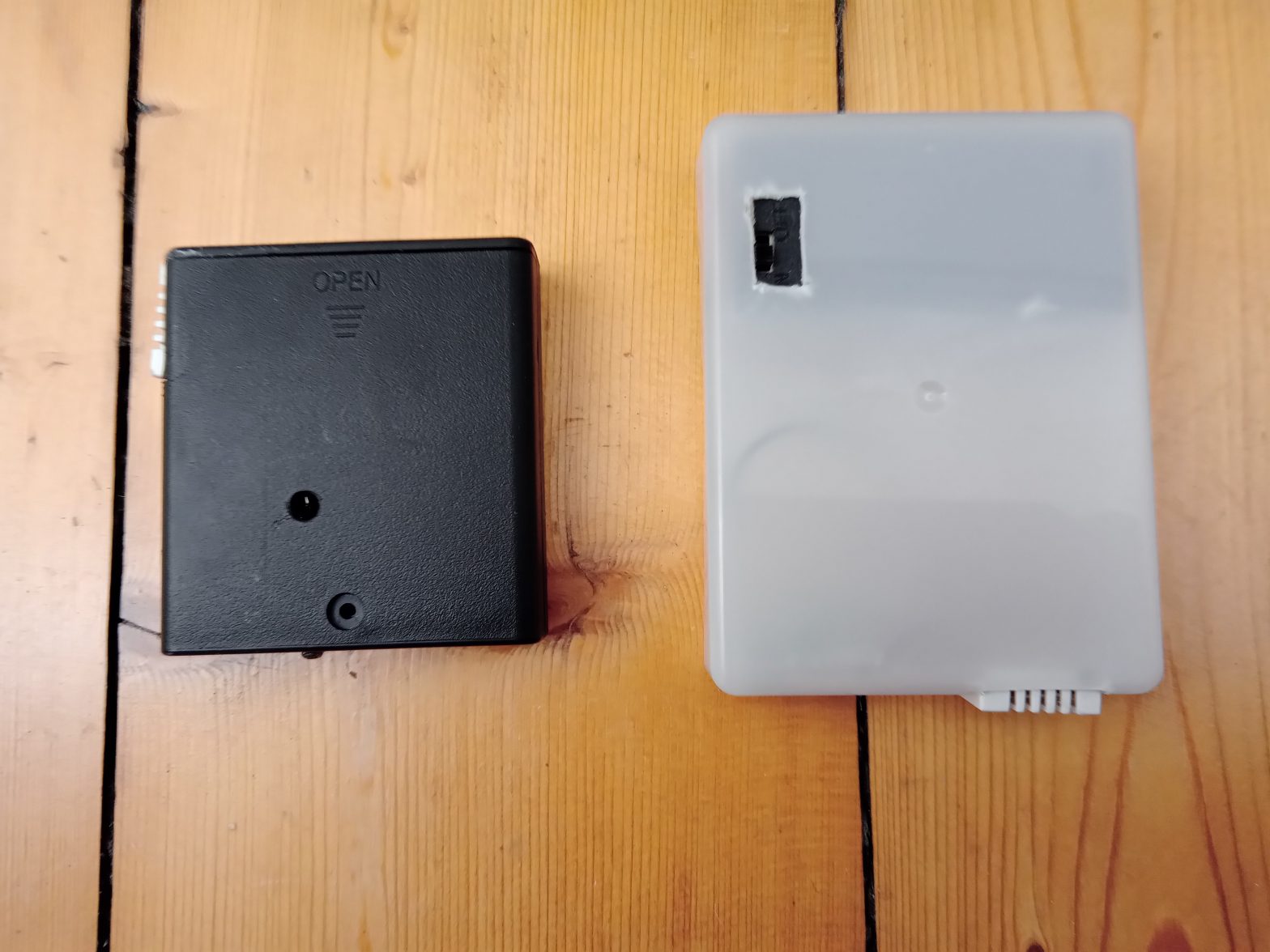
Sharing thermal monitors
Engineers, there’s a slight wrinkle if you want to put two thermal monitors in the same building. We explain how.
-
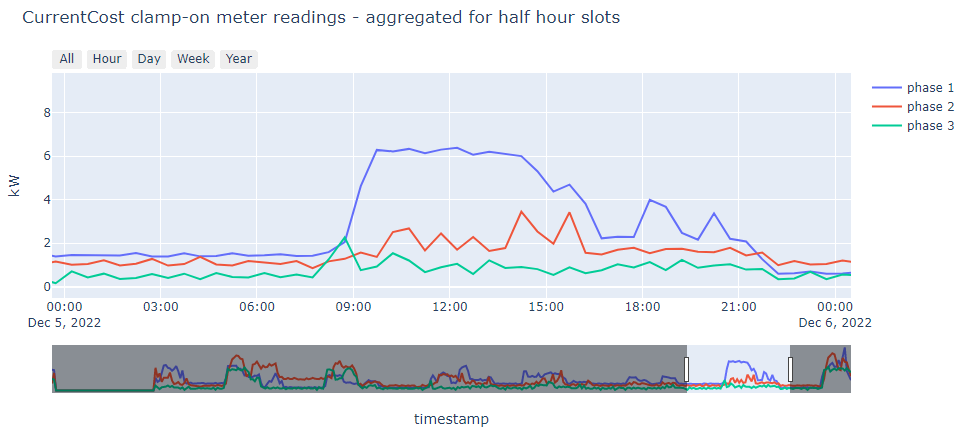
An electricity puzzle
One of our venues has very high electricity use at night, and we’re wondering why.
-
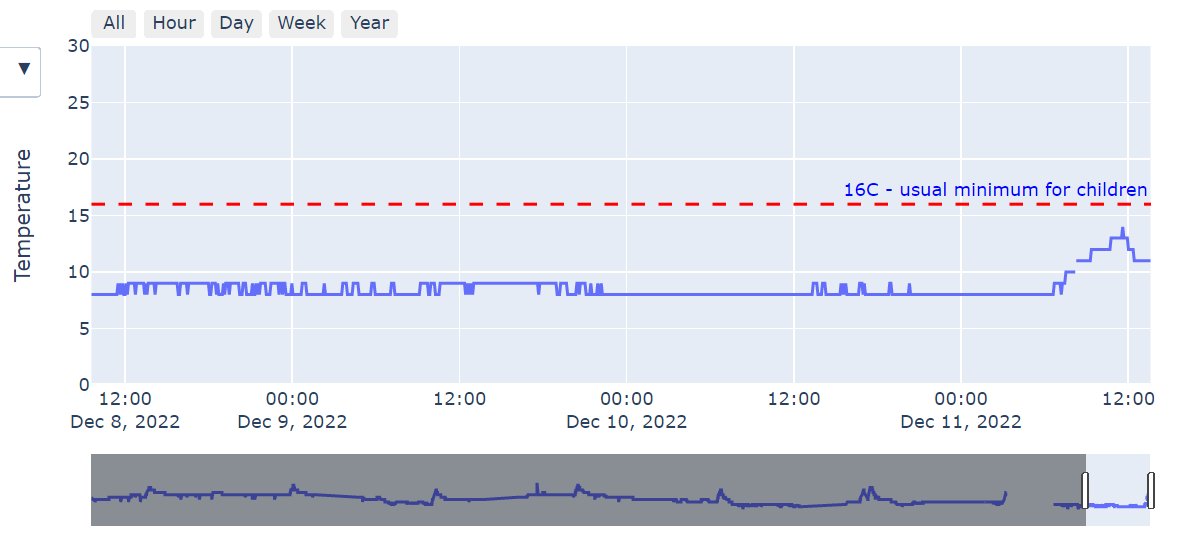
Enforcing a minimum temperature
If your heating controls don’t enforce a “setback” temperature, in this kind of weather the building can get cold enough to risk damage. Here’s what good control looks like.
-
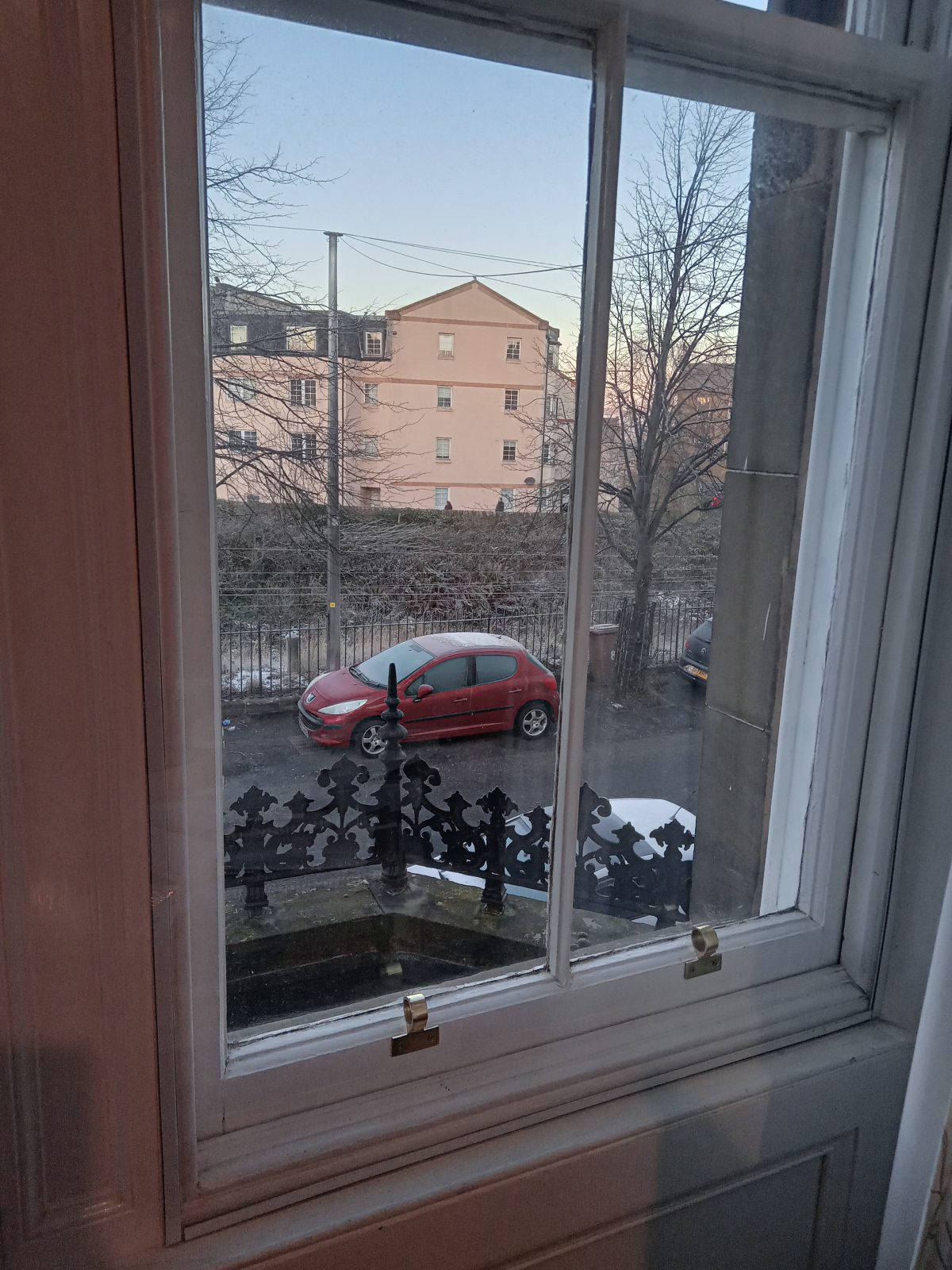
Temporary secondary glazing
Polycarbonate secondary glazing can be a good heat loss solution for windows that don’t need to open in winter. It’s cheap and almost invisible.
-

Not-in-time heating
Not-in-time heating is a very common pattern in community buildings. We describe some common reasons for it.
-
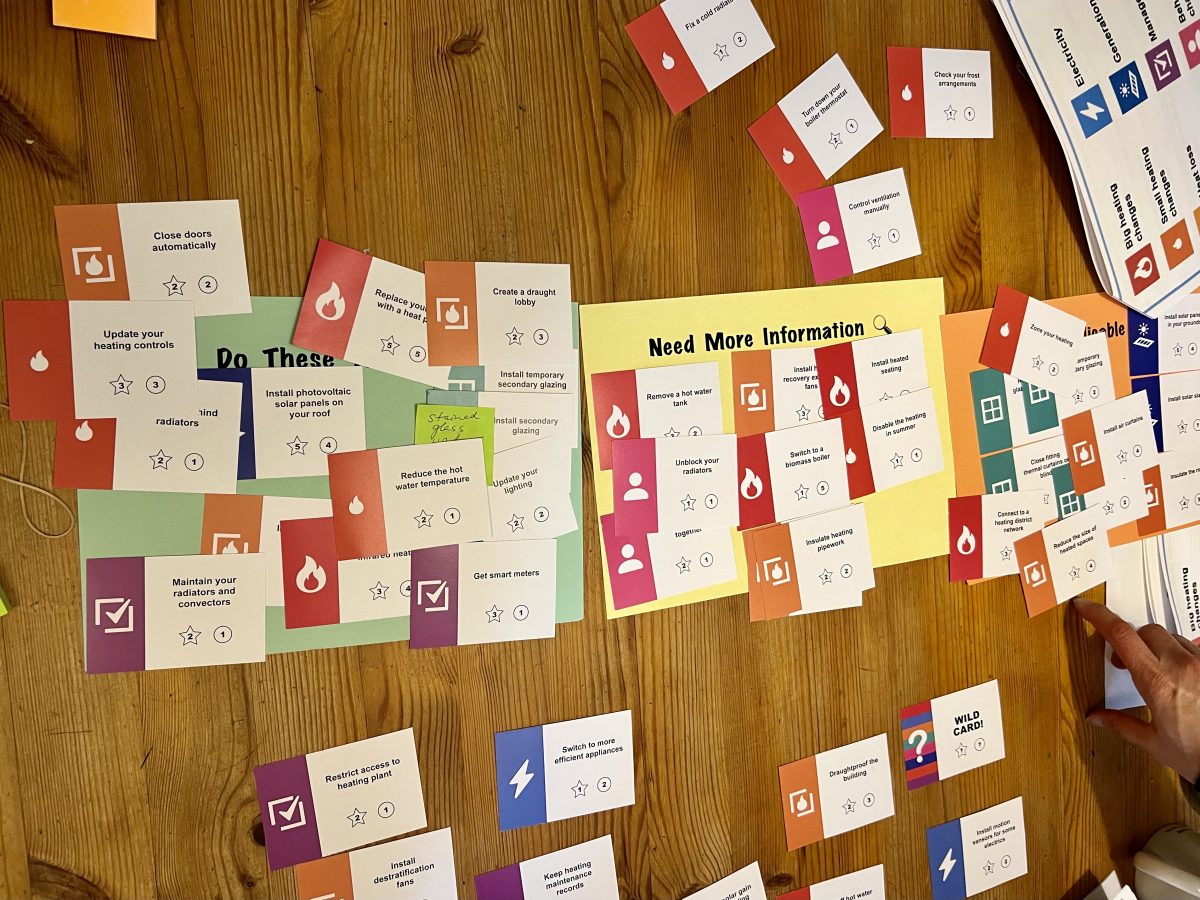
Next round of training tonight!
From Swansea to Edinburgh, our volunteers have come to the next exciting training session. Well, they will be logging onto Zoom, but we’re still excited! If anyone is unfamiliar with how our programme works, we pair volunteers from a community venue with a local volunteer engineer, and then one volunteer from the venue gets some…
-
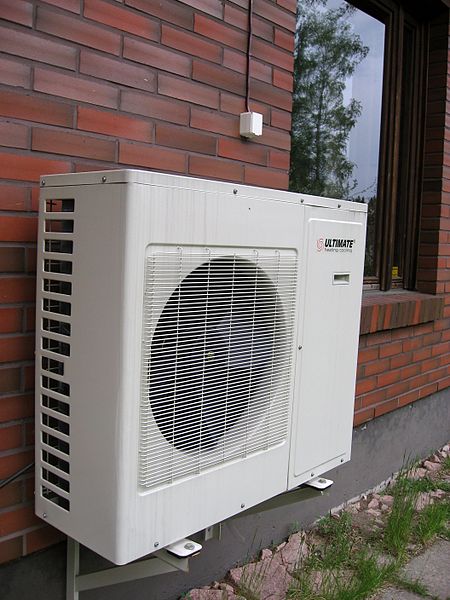
Planning for heat pumps
We’ve been asked to help plan ahead for when a gas boiler fails in a church rectory – a house for a priest. Here’s what we’d suggest for these houses and for community venues.
-

Setting a green choices policy
One of our early groups has asked us if we have any model policies for making choices based on payback periods, running costs, and the like. We don’t, but we have some suggestions and are asking around.
-

Why get smart meters
We’re advising all of our groups to get smart meters. They should allow venues to see live energy use readings taken every half hour. In this blog post we explain why that’s useful.